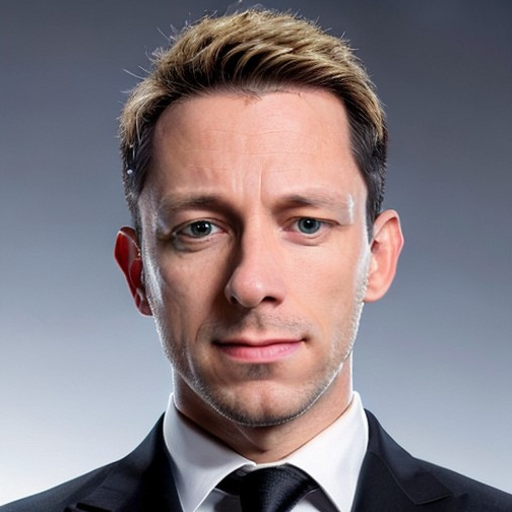


A short note from Aaron Coates, Co-founder and CPTO.
On 21 October the PHP project, which powers a very large share of the world's websites and web applications, released emergency fixes for two critical security flaws. The security community has named them PHP2Shell. In plain terms, an attacker could send one crafted request to an affected web server and run their own code on it, without logging in and before the application itself had a chance to respond.
Two things made this more serious than a normal patch. Attackers were seen trying to exploit the flaws four days before they were made public. And the UK's National Cyber Security Centre advised organisations to take any affected system offline if they could not patch it straight away.
For any organisation running affected software, the risk was that an attacker could take control of a web server during the window between the flaw becoming known and the fix being applied. Whatever data was on that server at the time, including data held only temporarily while being processed, was exposed.
For anyone whose customer data passes through a third-party vendor, there was a second risk: they could not patch the problem themselves. They had to wait for the vendor to act, often without knowing how long that would take or what data was on the vendor's servers while they waited.
Yes. The analysts who studied these flaws noted that frontier AI models substantially reduced the effort needed to turn them into a working attack. Vulnerabilities that sat unexploited for twenty years are now being found, weaponised and used faster than they can be patched. The time between a flaw being disclosed and an attack being live is shrinking, and we expect that to continue.
That changes the question organisations should ask. It is no longer only "is this vendor secure?" It is "when the next one lands, who holds the patch, and whose data is on the server while they apply it?"
We bring our personalised video technology to the customer. We never bring their data to us.
Yes, and this week is a clear example of why. From the start, FCX Technologies has held to one founding principle: we never hold customer data, and we only provide software that runs inside the customer's own infrastructure. Video Canvas from FCX Technologies assembles every personalised experience in the viewer's browser. Customer data never leaves the customer's estate. We are neither a data controller nor a data processor.
That does not make our customers immune to flaws like PHP2Shell. Their own systems still need patching, as they did this week. What it means is that there is no FCX server holding their data, no window where their data sits with us while we decide how urgent a fix is, and no need to chase us when a disclosure lands. The people accountable for the data are the people holding the patch.
We took this approach because we came from financial services and understood that pension providers, insurers and advice firms should never have to send member or client data to a server they do not control. Weeks like this one are why that principle is not negotiable for us.
"Great video content is so engaging for members, especially when it is deeply personalised to them. We chose to partner with Video Canvas, not just for great tech, but for their creativity and their strong focus on security."
Chris Connelly
Chief Strategy Officer


